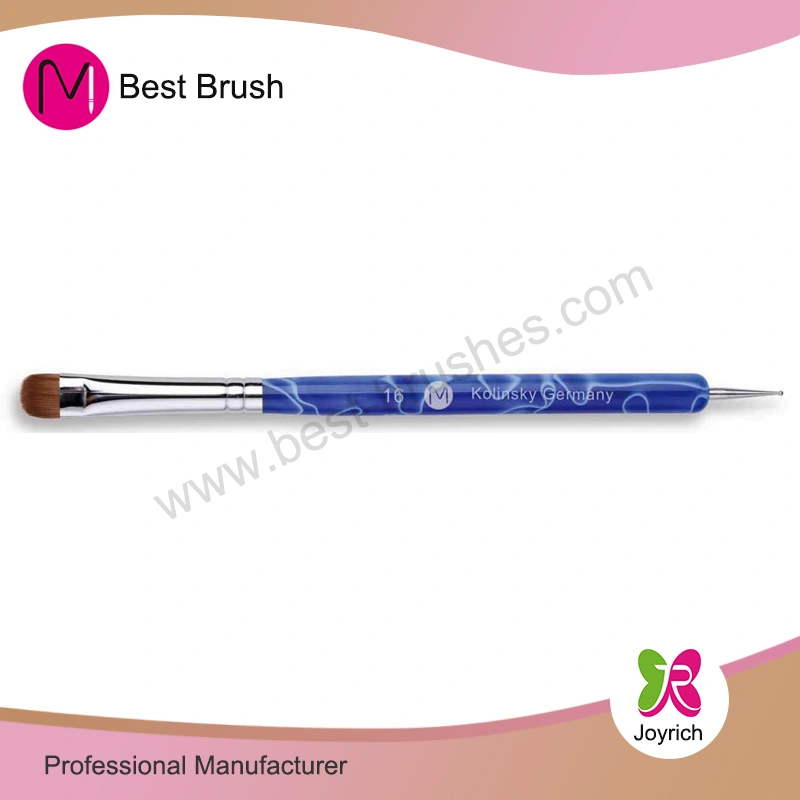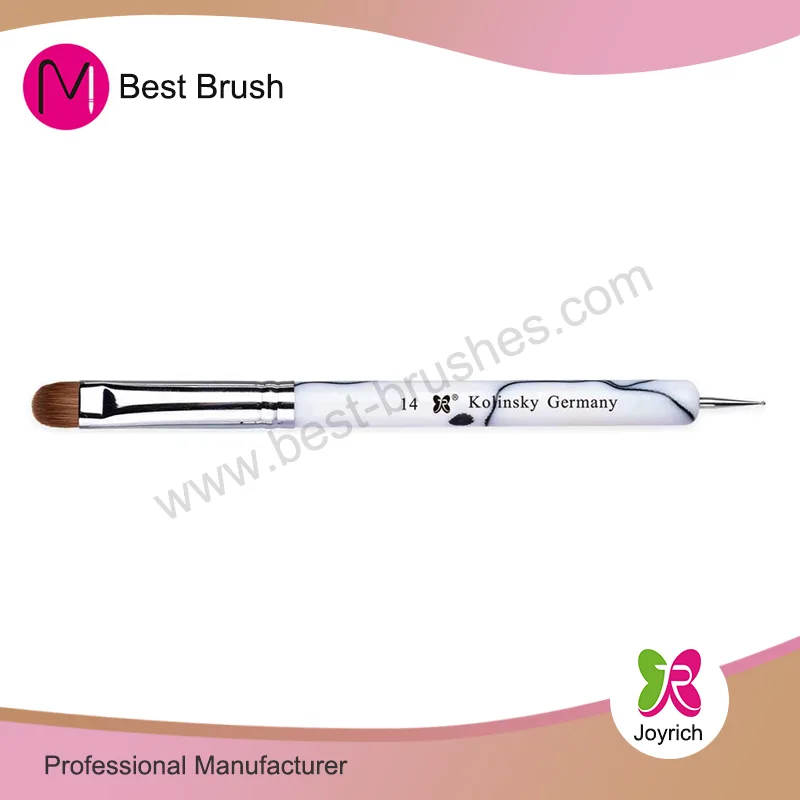
Does Your Professional Nail Brush Feature an Ergonomic Handle for Reduced Hand Fatigue?
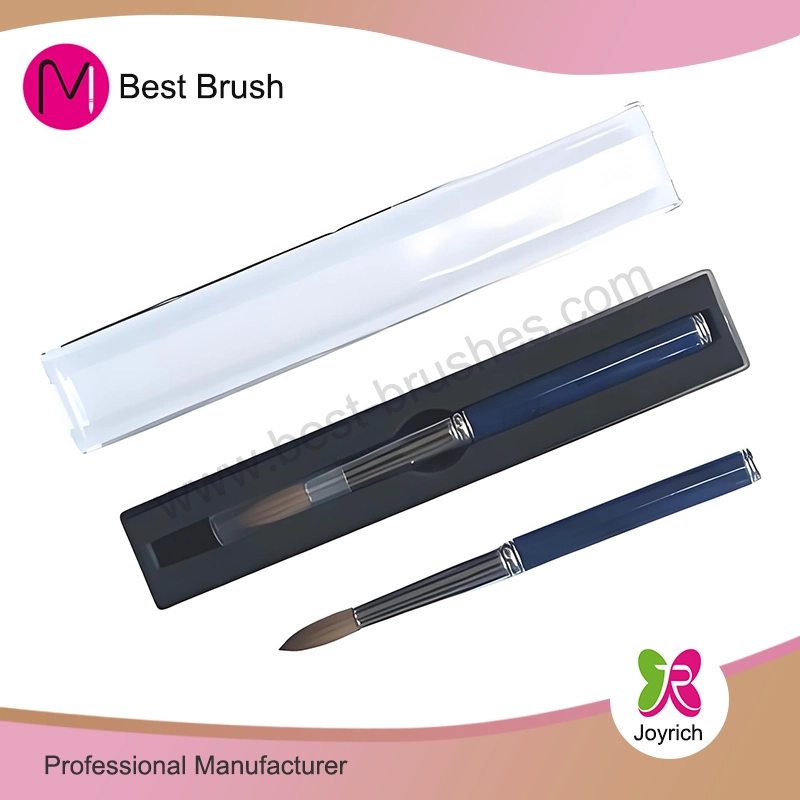
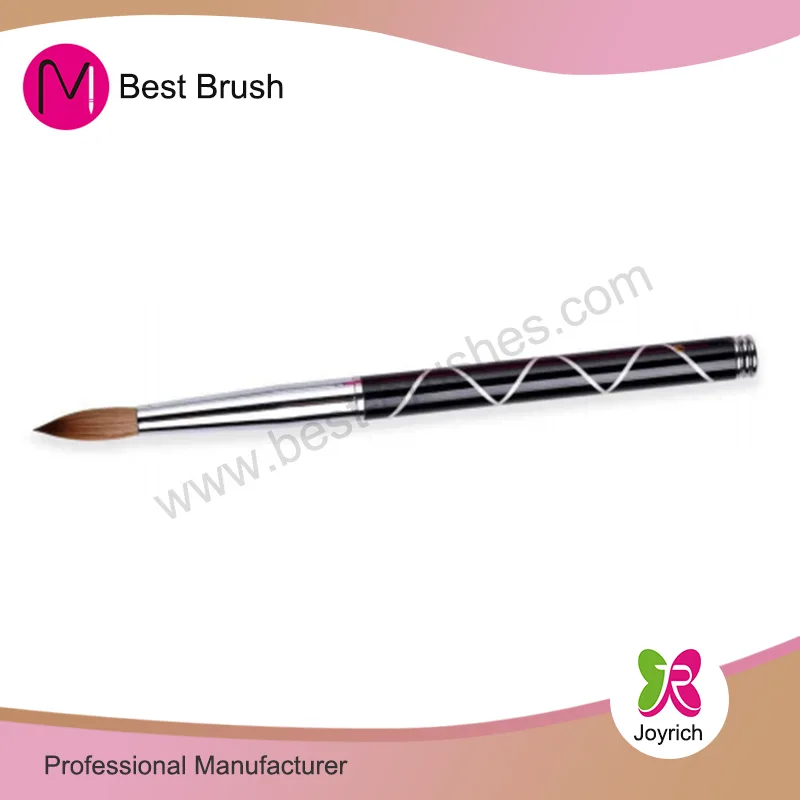
In today's beauty industry, Best Brush highlights an often-overlooked aspect of every Professional Nail Brush: handle ergonomics. As nail services become more detailed and time-intensive, the design of the brush handle is gaining attention for its impact on comfort, precision, and daily performance.
The Growing Conversation Around Hand Fatigue in Nail Services
Long working hours are common in professional nail studios. From acrylic extensions and gel applications to intricate hand-painted designs, technicians can spend several hours each day holding and maneuvering brushes with repetitive hand movements.
While discussions often focus on bristle quality, pigment performance, or product compatibility, another factor is quietly influencing work efficiency—handle design.
Industry observers note that hand fatigue remains one of the most frequently mentioned challenges among nail professionals. Discomfort in the fingers, wrist strain, and reduced control during detailed work can affect both productivity and application consistency.
As a result, ergonomic tools are becoming an important consideration when selecting equipment for modern nail service environments.
Why Handle Design Matters More Than Many People Realize
A nail brush may appear to be a simple tool, yet its design involves a combination of balance, weight distribution, grip comfort, and material selection.
When a brush is held for extended periods, even small design flaws can become noticeable. A handle that is too thin may require excessive gripping force. One that is too heavy can place additional strain on the wrist. Poor surface textures may also reduce control when hands come into contact with liquids or powders.
An ergonomic handle aims to solve these issues by supporting a more natural hand position throughout the service process.
Common Effects of Poorly Designed Handles
- Increased hand tension during detailed artwork
- Faster onset of finger fatigue
- Reduced Professional Nail Brush stability
- Lower precision in fine-line applications
- Greater discomfort during extended appointments
For professionals who perform multiple services each day, these seemingly minor issues can accumulate over time.
Understanding Ergonomic Handle Features
Not every ergonomic brush looks the same. Different designs serve different application styles, but several key characteristics are widely recognized throughout the industry.
Balanced Weight Distribution
Proper balance allows the brush to feel stable without becoming burdensome. Instead of forcing the user to compensate for uneven weight, a balanced brush helps movements remain smooth and controlled.
Comfortable Grip Diameter
Research across multiple hand-tool industries suggests that grip size influences muscle exertion. Handles that fit naturally within the hand often require less gripping force, reducing strain during repetitive tasks.
Anti-Slip Surface Design
A textured or coated surface can improve handling, especially when working with products that may create slippery conditions.
Lightweight Construction
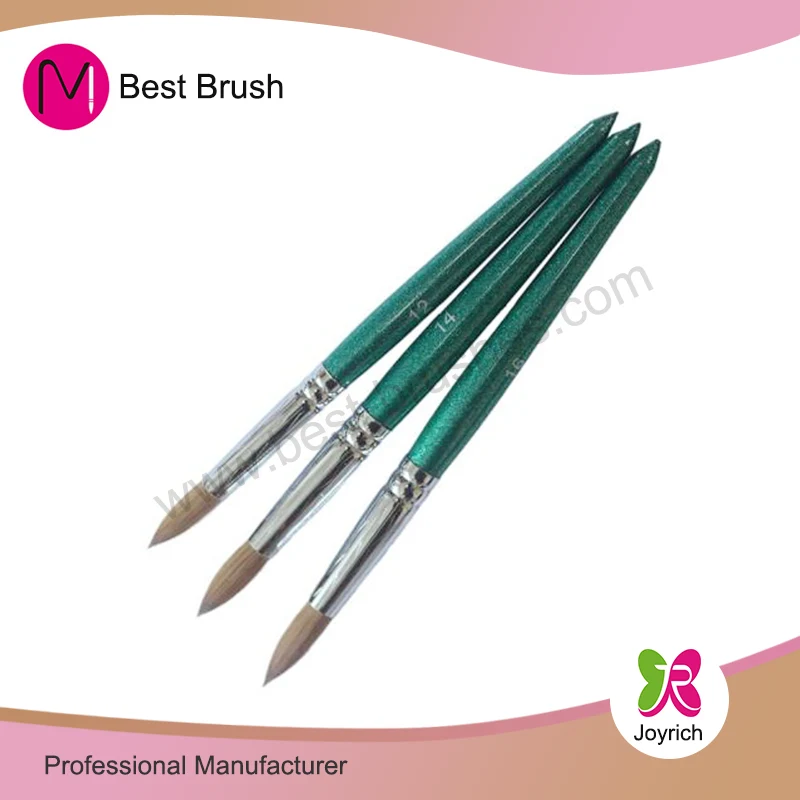
Modern materials such as aluminum, acrylic, and engineered polymers help reduce overall tool weight while maintaining structural durability.
Comparing Traditional and Ergonomic Brush Designs
The following table highlights several practical differences commonly observed between conventional designs and ergonomically developed alternatives.
| Feature | Traditional Brush Design | Ergonomic Brush Design |
| Handle Shape | Standard cylindrical form | Contoured for natural grip |
| Weight Distribution | May be uneven | Carefully balanced |
| User Comfort | Basic functionality | Enhanced long-session comfort |
| Precision Control | Adequate for general use | Improved stability for detailed work |
| Fatigue Management | Limited consideration | Designed to reduce strain |
| Surface Texture | Smooth finish | Anti-slip options available |
While both types can perform nail applications effectively, ergonomic designs focus on improving the overall user experience during extended use.
How Material Choices Influence Comfort
Handle comfort is not determined solely by shape. Material selection also plays an important role.
Best Brush has observed increasing demand for multiple handle materials that address different preferences and application styles.
Aluminum Handles
Lightweight aluminum remains popular due to its durability and reduced hand burden. It offers a modern appearance while maintaining structural strength.
Wooden Handles
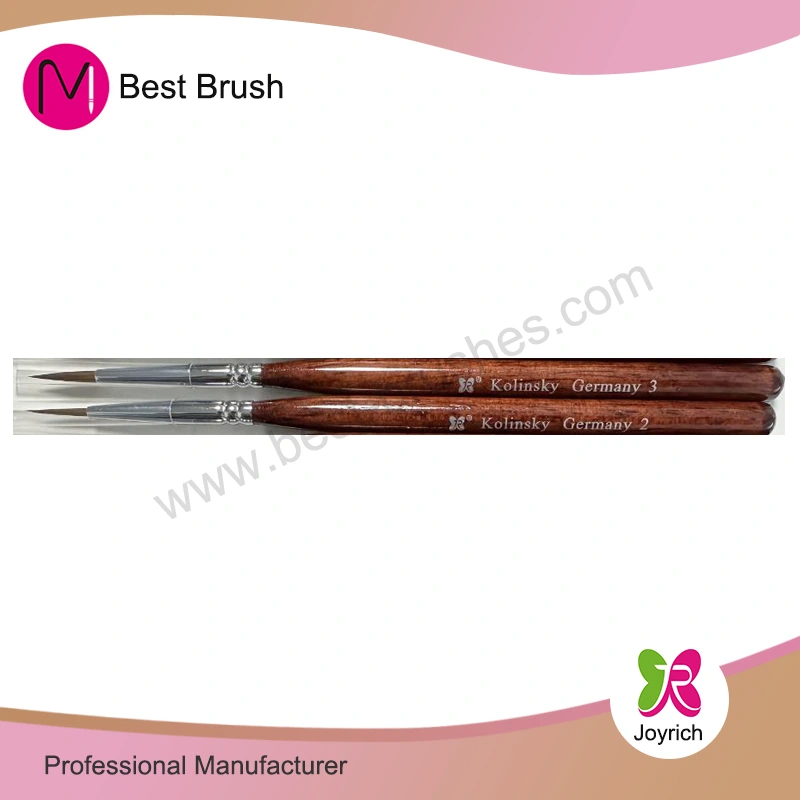
Wood provides a natural feel and balanced weight. Many users appreciate its comfortable grip characteristics during long sessions.
Acrylic Handles
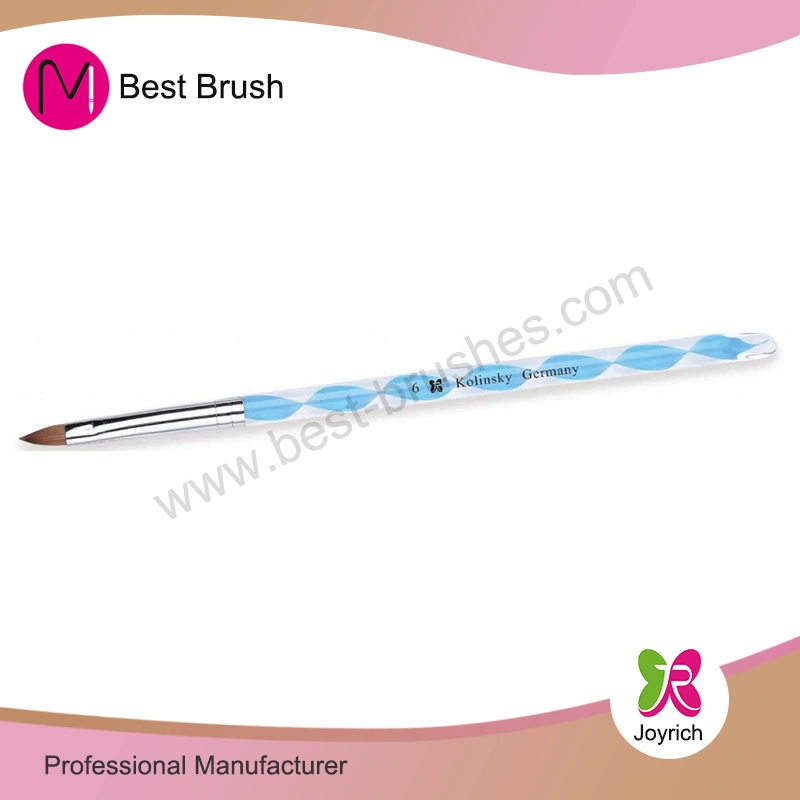
Acrylic designs allow creative visual effects while maintaining durability. Their smooth finish can be paired with ergonomic shaping to improve handling.
ABS Plastic Handles
Advanced ABS materials offer excellent impact resistance and design flexibility, making them suitable for a wide variety of professional tools.
Precision and Comfort Are Closely Connected
Many people view comfort and performance as separate factors, but in practice they are closely linked.
When hand muscles become tired, maintaining consistent pressure and accurate brush angles becomes more difficult. This can affect line sharpness, acrylic placement, and overall design precision.
A well-designed Professional Nail Brush helps support controlled movements by reducing unnecessary strain. The result is often a smoother workflow and greater consistency throughout the day.
This connection becomes especially important in nail art applications where even slight hand movements can influence final results.
Areas Where Precision Matters Most
- Fine-line artwork
- Micro-detail painting
- French tip creation
- Gel sculpting
- Acrylic bead placement
- Gradient and ombré techniques
In these applications, stable handling can contribute significantly to overall performance.
Customization Trends Reflect Changing Industry Expectations
Another notable development is the growing interest in customized brush configurations.
Rather than treating all brushes as identical tools, many beauty brands and professional product developers are exploring specialized designs tailored to specific techniques.
Common customization considerations include:
- Handle length
- Handle diameter
- Weight preferences
- Surface finish
- Ferrule design
- Bristle density
- Color coordination
This trend reflects a broader shift toward user-centered product development, where comfort and functionality receive equal attention.
Beyond Ergonomics: Other Features That Support Long-Term Performance
Although handle design is important, it represents only one part of overall brush quality.
Professionals often evaluate several additional factors when selecting tools.
Bristle Retention
Reliable bristle retention helps maintain shape and consistency throughout repeated use.
Chemical Resistance
Exposure to monomer, acetone, alcohol, and cleaning agents can affect tool longevity. Materials that resist chemical degradation contribute to longer service life.
Ferrule Stability
Secure ferrule construction helps prevent loosening and bristle shedding, common issues that can impact application quality.
Hygiene Considerations
Protective packaging, easy-clean surfaces, and optional antibacterial treatments support modern hygiene expectations within professional environments.
Industry Outlook: Comfort-Centered Tool Design Continues to Expand
Across many industries, ergonomic product development has become a major focus. The beauty sector is following the same direction.
As service techniques become increasingly detailed and appointment durations continue to grow, comfort-oriented tool design is expected to receive greater attention from product developers, salon operators, and industry professionals alike.
The conversation is no longer limited to how a brush performs on day one. Increasingly, attention is shifting toward how it performs after weeks, months, and years of daily use.
Ergonomic handles represent one practical response to this evolving expectation.
Conclusion
The discussion surrounding hand fatigue is reshaping how professionals evaluate nail tools. While bristle quality and material selection remain important, handle ergonomics are emerging as a key factor influencing comfort, precision, and long-term usability. A thoughtfully designed Professional Nail Brush can help support better control and reduce strain during demanding applications.
Through ongoing development in brush engineering, materials, and customization capabilities, Best Brush Products (Shenzhen) Co., Ltd. continues to contribute to advancements in Nail Brush design for today's evolving nail care industry.
Related News
- Daily Care Guide for Professional Nail Brushes – Extend Lifespan & Performance
- Professional Kolinsky Acrylic Nail Brushes: Why Packaging Matters as Much as Quality for Your Brand
- 2026 Market Trends & Consumer Insights: Why Professional Nail Brushes Are the New Growth Engine for Distributors
- Factory Craftsmanship & Strength - The Production Process of Our Premium Handmade Nail Brushes Professional Nail Brush Manufacturer – 17+ Years of Excellence
- Why Choose the Right Acrylic Nail Brush for Perfect Nails?
- How Do I Choose an Acrylic Nail Brush That Actually Makes Work Easier?
Leave me a message